
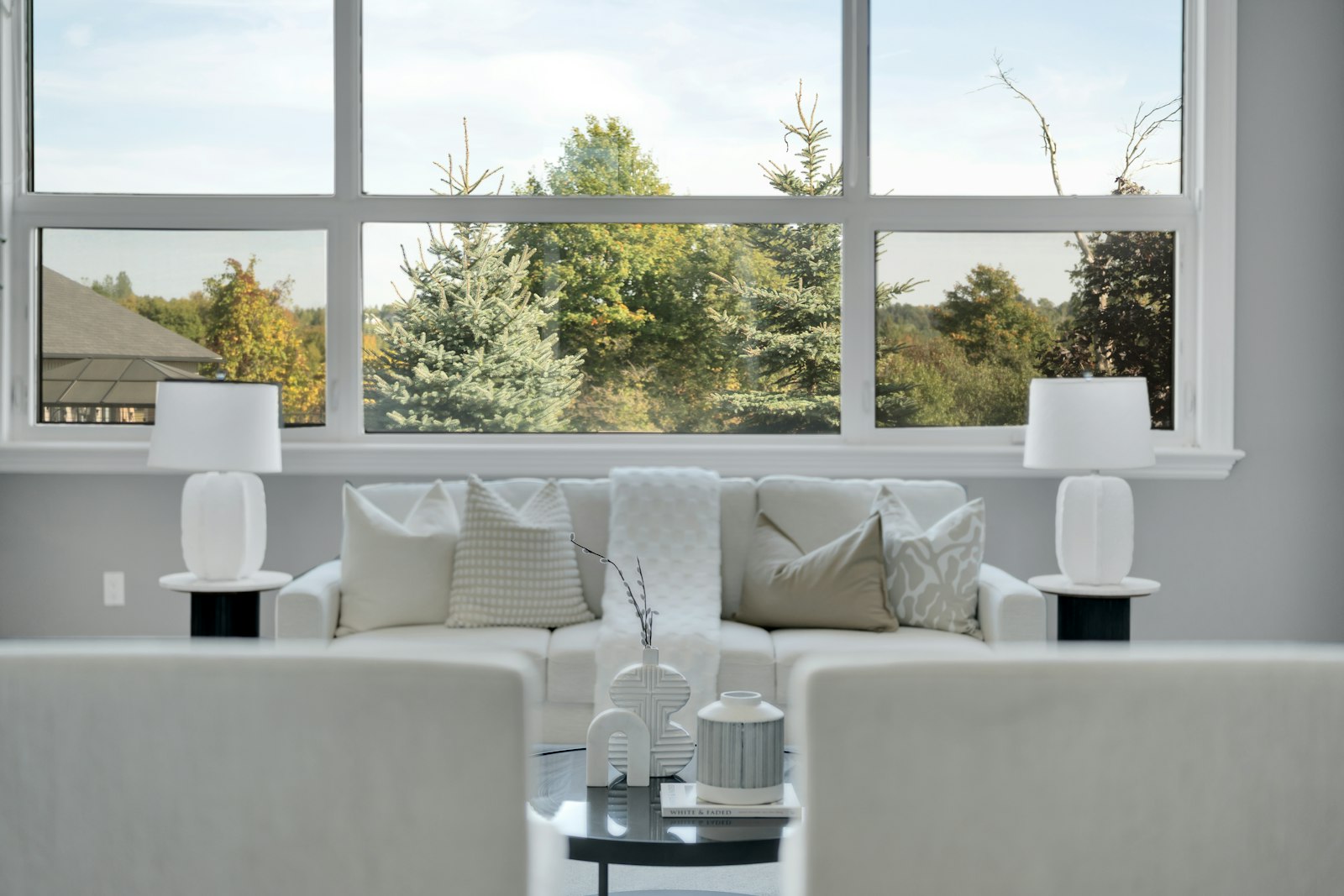
Triple pane windows texas homeowners see advertised online get a lot of attention, and people researching replacement windows for Round Rock or Austin often ask us whether they need three panes of glass instead of two. The honest answer is almost always no, and here is why.
Triple-pane windows solve a cold-climate problem
The third pane of glass in a triple-pane window mainly helps retain heat in places with long, harsh winters. It adds insulation value (a higher R-value) for keeping warmth in. That is a great tradeoff in Minnesota or Maine. In Central Texas, our challenge for most of the year runs the opposite direction: keeping intense solar heat out, not keeping warmth in.
What actually matters here: solar heat gain coefficient
For Texas homes, the number that matters most is the solar heat gain coefficient, or SHGC. A lower SHGC means less of the sun’s heat makes it through the glass into your home. This is where a well-chosen dual-pane, low-E window with the right glass package often outperforms a generic triple-pane window that was engineered for a colder climate’s priorities. A lower SHGC number means the glass is doing more work blocking heat before it ever reaches your living space, which is exactly what a west-facing living room or a sun-drenched kitchen needs most.
What we install for Texas heat
As a Vistamark Endura dealer, we offer three dual-pane glass packages built specifically around this problem: Cool Pane 3, Cool Pane 4+, and Super Cool Pane, which brings SHGC as low as 0.13 for west- and south-facing rooms that take the worst of the afternoon sun. Combined with warm-edge spacers and argon gas fill, these packages are matched to how Central Texas homes actually use energy, rather than a specification built for a different climate.
The added cost usually is not worth it here
Triple-pane windows typically cost noticeably more than dual-pane, and they are also heavier, which can mean added cost for frame reinforcement or replacement hardware. For most Round Rock, Cedar Park, Georgetown, Pflugerville, and Austin homes, that extra cost buys you a benefit (cold-weather heat retention) that is not the problem you are actually trying to solve. The math rarely works out in this climate: you are paying a premium for cold-weather performance you will not use most of the year, while the specific hot-climate spec that actually lowers your cooling bill, a low solar heat gain coefficient, is available in a properly chosen dual-pane package for less money. That added weight can also mean upgraded hardware or frame reinforcement to support it safely over time.
What Independent Data Says About Climate-Matched Glass
The ENERGY STAR program actually certifies windows differently by climate zone for exactly this reason: a window built to perform well in a cold northern climate is not necessarily the same window that performs best in a hot, humid southern climate like ours. Solar heat gain coefficient, not just pane count, is the spec that correlates most closely with cooling performance in Central Texas.
When Triple-Pane Can Still Make Sense
There are exceptions. A room facing a busy road may benefit from the added sound dampening a third pane provides, regardless of climate. If noise reduction is your primary goal rather than cooling cost, it is worth discussing during your estimate, since it is a genuinely different tradeoff than the energy-efficiency question most homeowners are actually asking about. We will always give you an honest read on whether that tradeoff makes sense for your specific situation rather than defaulting to the more expensive option.